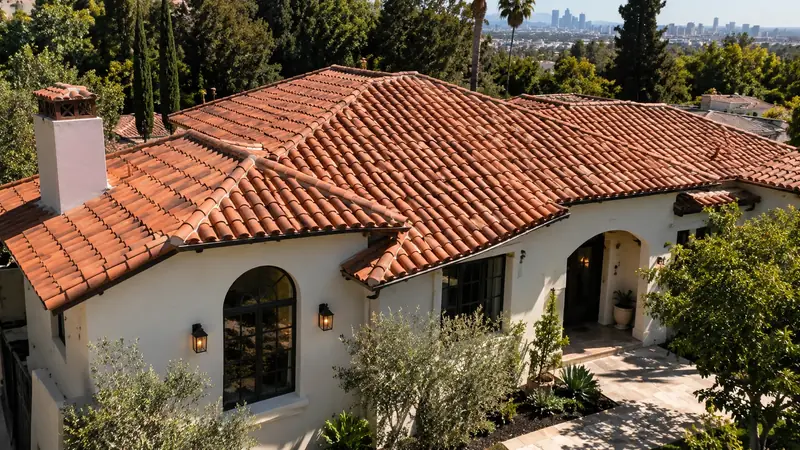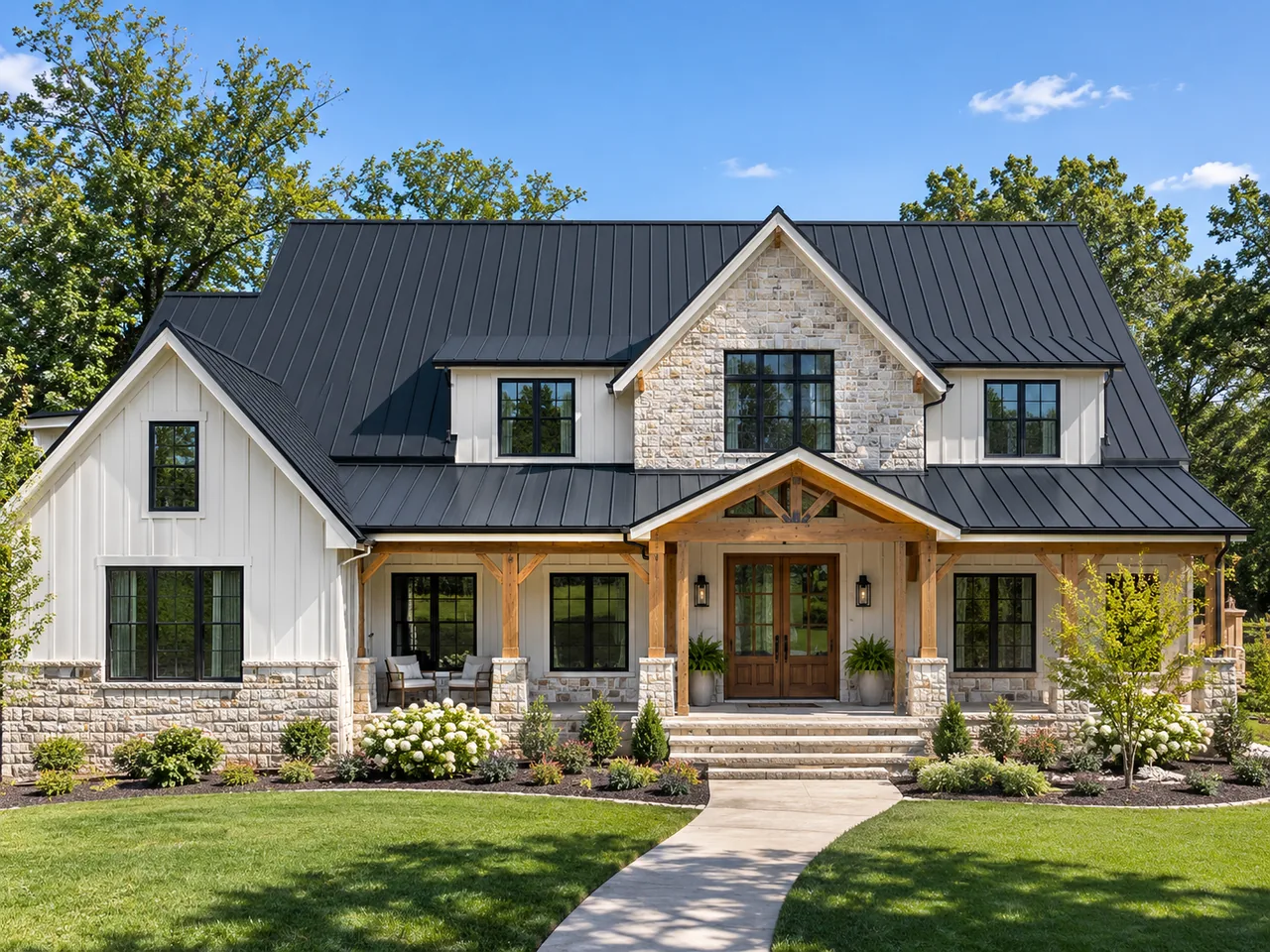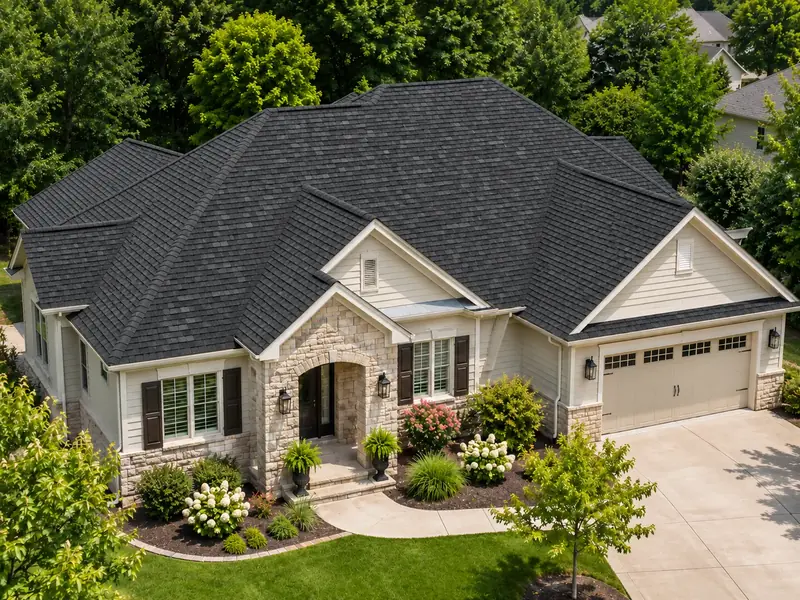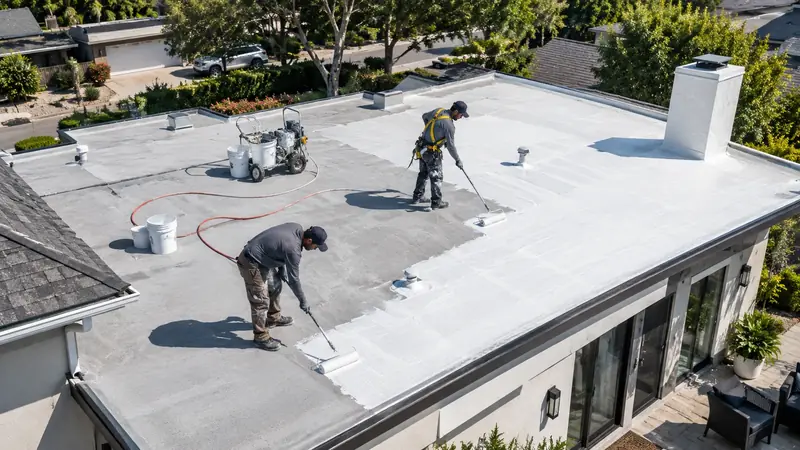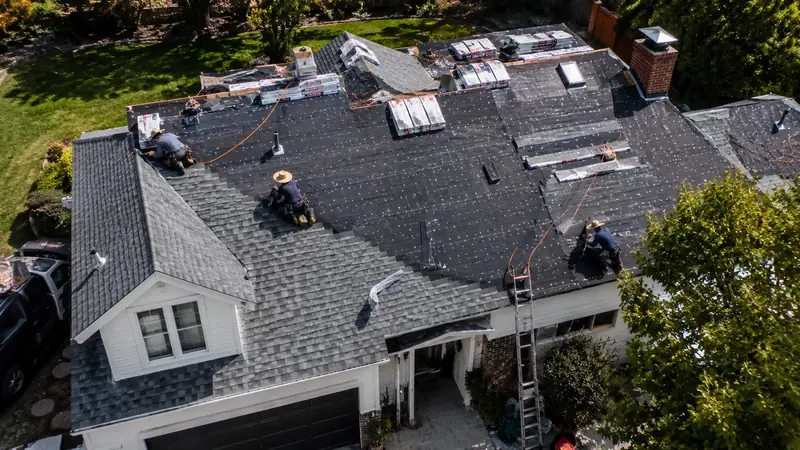
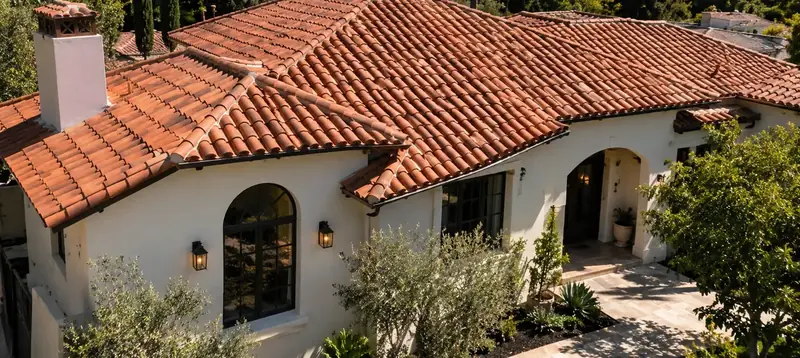
A Class A roof has the highest fire rating a roof covering can earn. Clay and concrete tile, metal and most fiberglass asphalt shingles can all be part of a Class A assembly. In California’s mapped Fire Hazard Severity Zones, the building code sets minimum fire ratings for roofing, and Class A is the standard in the highest-risk areas.
What Does Class A Mean?
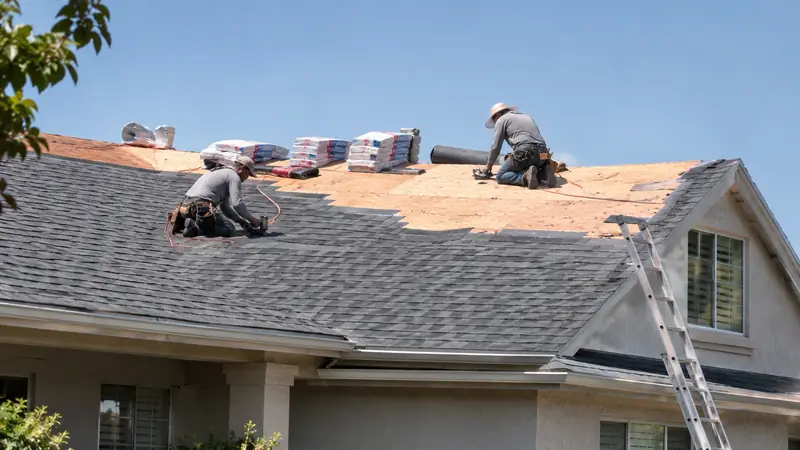
Roof coverings are fire tested and rated Class A, B or C, with A the most resistant. The rating belongs to the whole assembly: the roofing together with the underlayment and decking beneath it. Some materials only reach Class A when installed over a specific underlayment.
Which Roofing Materials Are Fire Resistant?
| Material | Fire performance |
|---|---|
| Clay and concrete tile | Noncombustible; Class A |
| Standing-seam metal | Noncombustible; Class A as an assembly |
| Fiberglass asphalt shingles | Typically Class A |
| Untreated wood shake | Poor; restricted in many areas |
How Do Homes Actually Catch Fire in a Wildfire?
Mostly from wind-blown embers, not a wall of flame. Embers land in gutters full of dry leaves, blow in through attic vents, and lodge in gaps at the roof edge. A fire-rated roof covering is necessary, but it is not the whole job.
Which Roof Details Matter Most?
- Eaves and tile ends. Open ends of barrel tile should be closed off so embers cannot get under the tile.
- Vents. Ember-resistant vents with fine metal mesh.
- Gutters. Metal, and kept clear of debris.
- Valleys and roof-to-wall joints. Kept clean, with metal flashing.
- Skylights. Tempered glass rather than plastic domes.
Is My Home in a Fire Hazard Severity Zone?
CAL FIRE publishes the maps, and your city or county adopts them. Large parts of the foothills around both valleys are included. We check your address when we quote, since it affects which materials and details are allowed.
Key Takeaways
- Class A is the top fire rating and applies to the whole roof assembly.
- Tile, metal and most asphalt shingles can achieve it.
- Embers, not flames, ignite most homes.
- Vents, gutters and eaves matter as much as the roofing.