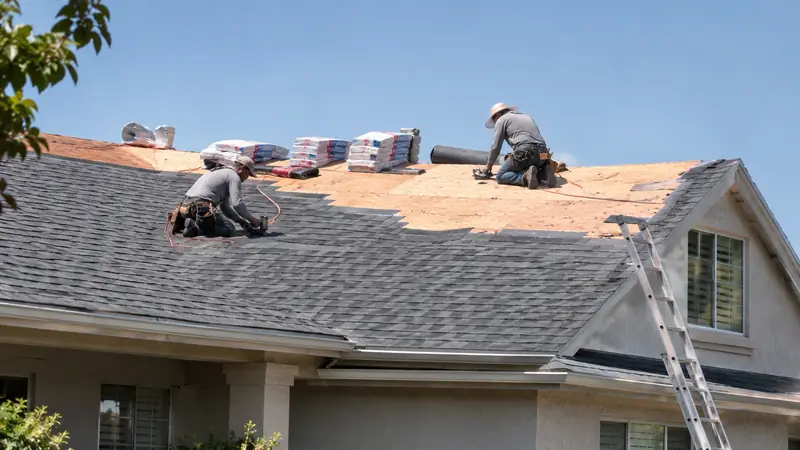
If your roof has fewer than about ten years of life left, replace it before the solar goes on. Panels last 25 years or more, and taking them off later to re-roof underneath typically costs thousands of dollars. If the roof is young and sound, you can install solar as it is.
How Do I Know If My Roof Is Ready for Solar?
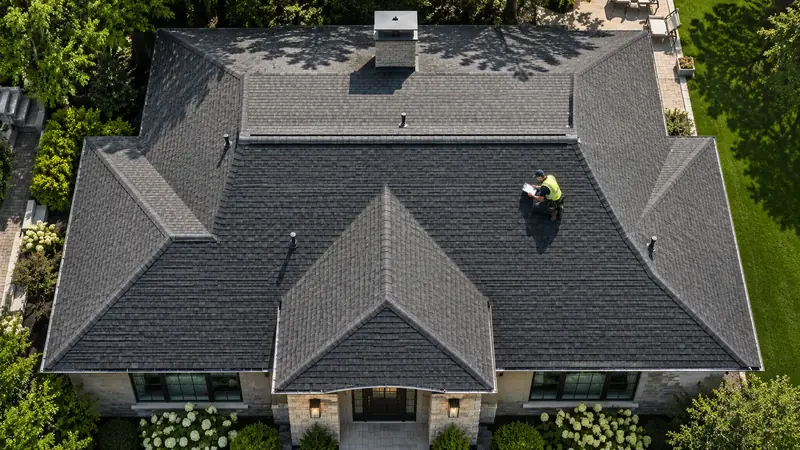
Have it inspected before you sign a solar contract. We look at how much life the roofing has left, the condition of the decking, and whether the flashing and underlayment will last as long as the panels. A free roof inspection takes under an hour.
What If the Roof Needs Replacing After the Panels Are On?
The panels have to be removed, stored and reinstalled by a solar contractor. That is a separate cost on top of the roof, your system is offline while it happens, and it involves two trades coordinating on your roof. It is far simpler to do the roof first.
Which Roofs Work Best With Solar?
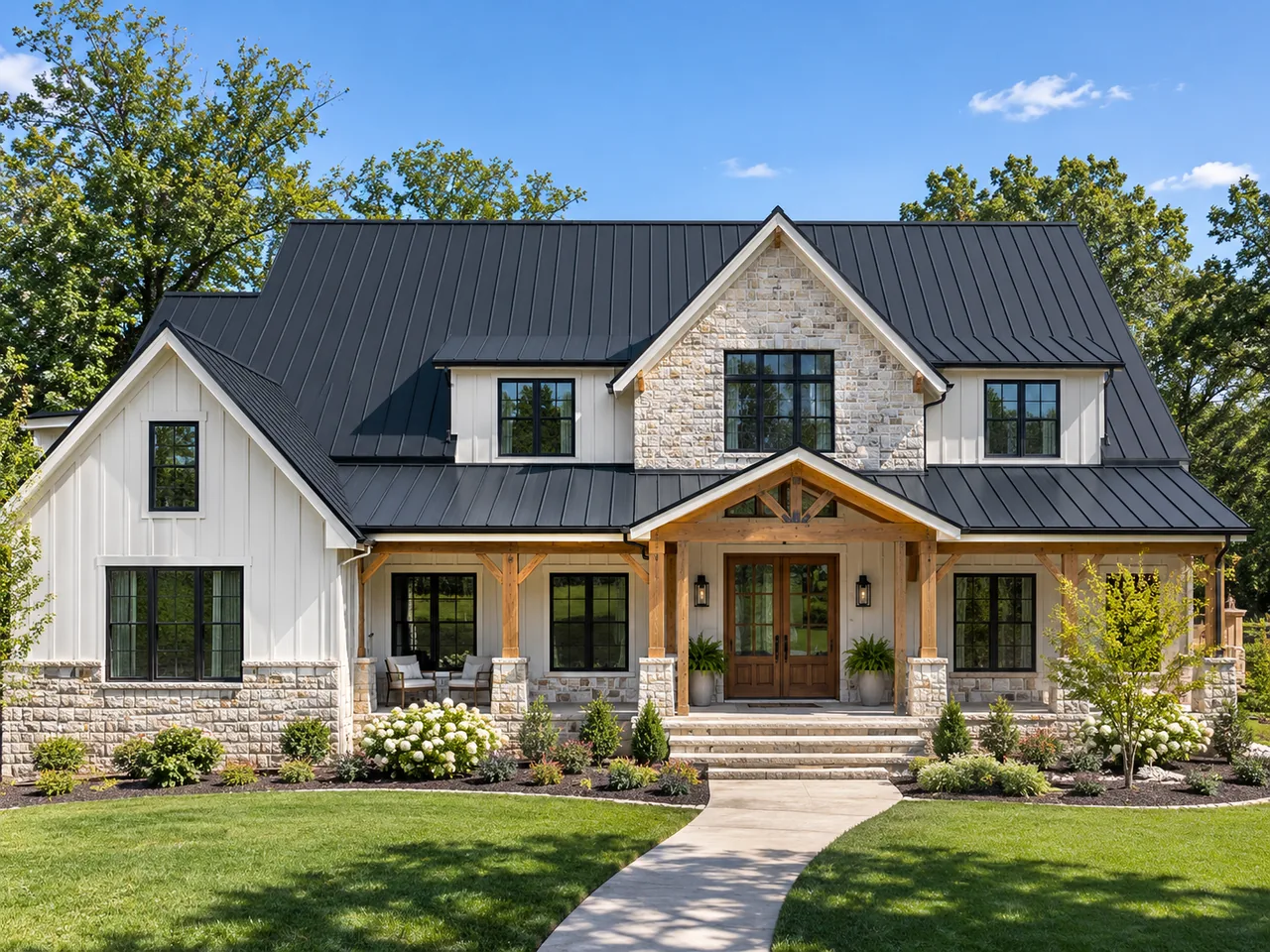
- Standing-seam metal. Panels clamp to the seams with no holes in the roof, and the roof outlasts the panels.
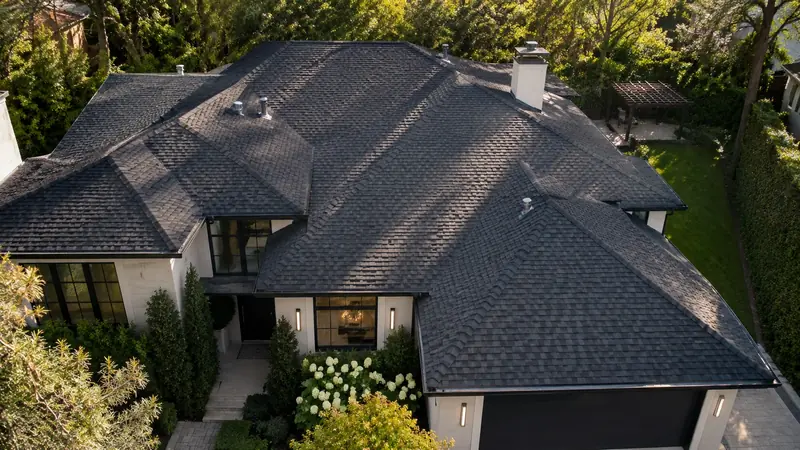
- Asphalt shingles. The most common base for solar. Mounts are flashed into the shingles.
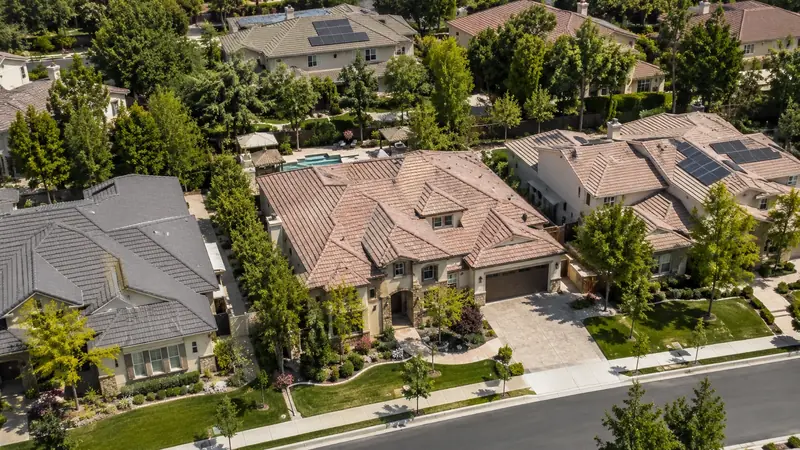
- Tile. Workable, but tiles under the array are usually replaced with special mounts or flashing, and broken tiles are a risk.
- Flat roofs. Panels sit on tilted racks. The membrane should be in good condition first.
Can Solar Panels Cause Roof Leaks?
They can if the mounts are not flashed properly, since each one is a penetration through your roofing. Use an installer who flashes every mount, and have the roof checked a year or so after installation.
Roof first, then solar. If you are getting both, tell both contractors so the timing and the mount layout can be coordinated.
Key Takeaways
- Re-roof first if the roof has under about ten years left.
- Removing and reinstalling panels later is costly and disruptive.
- Metal and shingle roofs are the easiest for solar.
- Every panel mount is a penetration that must be flashed correctly.