California’s energy code, Title 24, sets cool roof requirements for most low-slope commercial roofs. They generally apply when a roof is replaced or recoated, not only on new buildings. White single-ply membranes and reflective coatings are the usual ways to comply. The exact requirement depends on your climate zone and building.
What Is a Cool Roof?
A cool roof reflects more of the sun’s energy and gives off heat more readily than a standard roof, so the surface stays cooler. Two numbers describe it: solar reflectance and thermal emittance. Products are tested and listed by the Cool Roof Rating Council.
Does the Requirement Apply to an Existing Building?
Often, yes. The energy code covers alterations as well as new construction, so replacing or recoating a substantial part of a low-slope commercial roof generally brings the cool roof requirements into play. Small repairs generally do not. The thresholds and exceptions are set by the code and can change when it is updated.
Which Roofing Systems Meet the Requirement?
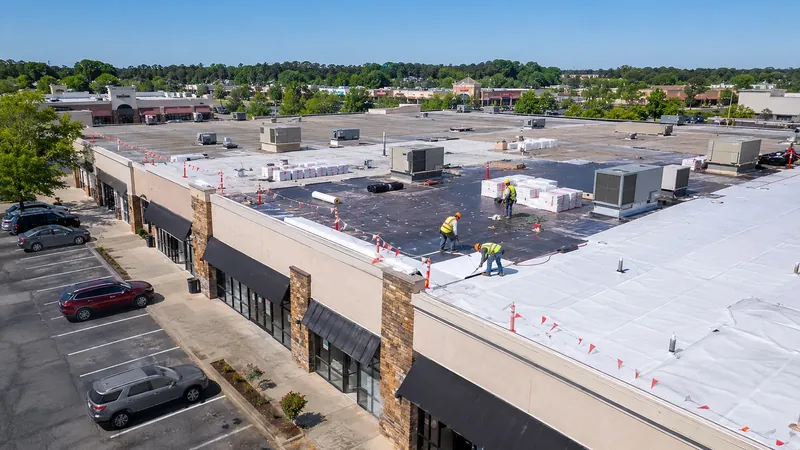
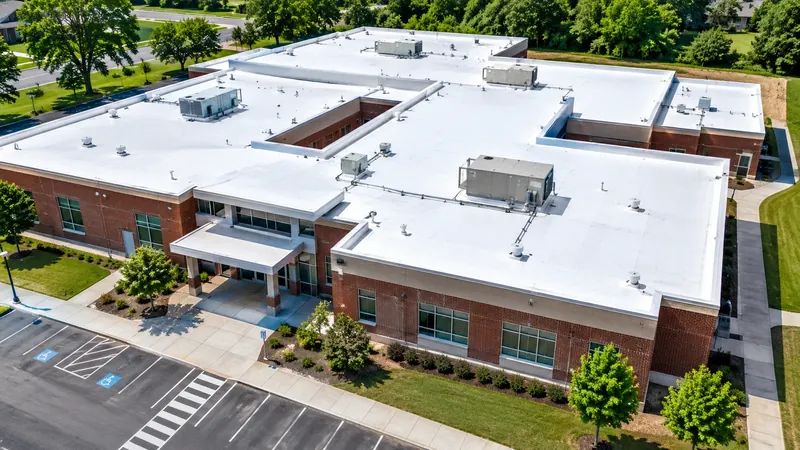
- White TPO and PVC membranes. The most common choice on commercial roofs. See TPO and PVC roofing.
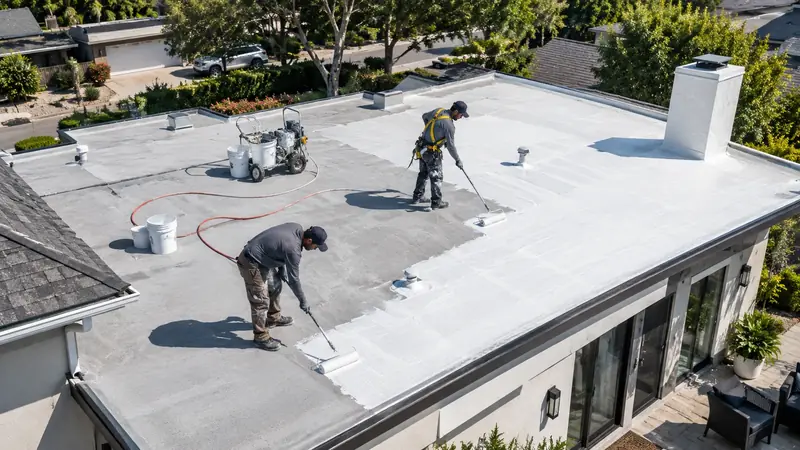
- Reflective coatings. A white silicone coating over a sound existing roof.
- Cool-rated cap sheets and shingles. For modified bitumen roofs and for sloped roofs.
Is the Rule the Same Everywhere in California?
No. The state is divided into climate zones, and the requirements vary by zone, by the slope of the roof and by the type of building. Individual cities can also add their own rules. We check what applies to your address as part of the estimate.
What Does a Cool Roof Do for the Building?
- A much cooler roof surface on hot days
- Less heat moving into the building
- Less work for the air conditioning in summer
- Less heat stress on the roofing itself
Who Makes Sure the Roof Complies?
The roofer should specify a compliant system, and the city confirms it through the permit. Ask to see the product’s rating before you sign. We put the system and its rating in writing on the estimate.
Key Takeaways
- Title 24 sets cool roof requirements for most low-slope commercial roofs.
- A re-roof or recoat generally triggers them; small repairs generally do not.
- White membranes and reflective coatings are the usual ways to comply.
- Requirements vary by climate zone and can change with code updates.